



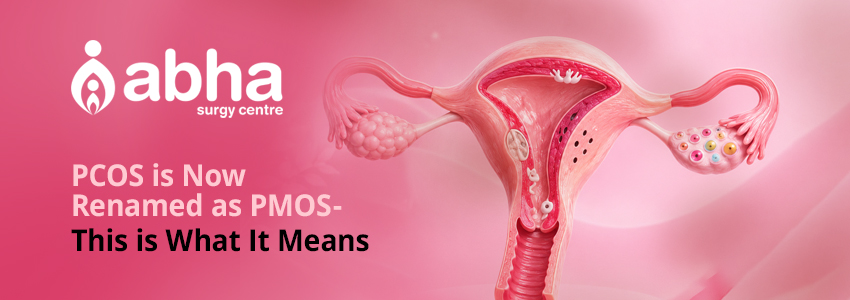
For many years, the term PCOS (Polycystic Ovary Syndrome) has been commonly used to describe a hormonal condition affecting women. Recently, medical experts have suggested a new name for the condition: PMOS, which stands for Polyendocrine Metabolic Ovarian Syndrome.
This change is not just about renaming a condition. It is meant to create better awareness about how the condition affects much more than just the ovaries. The new name helps people understand that it is a complete metabolic and hormonal health condition.
Let's understand what this change means in a simple way.
The term "Polycystic Ovary Syndrome" mainly focuses on ovarian cysts. But doctors and researchers now believe that the condition affects many parts of the body, not only the ovaries.
In fact:
Because of this, experts felt that the old name did not fully explain the condition properly.
The new term PMOS highlights the metabolic side of the condition as well.
PMOS stands for:
The new name focuses on the fact that the condition affects multiple systems in the body.
It is not only about irregular periods or ovarian cysts anymore. It is also connected to:
No, PMOS is not a completely different disease. It is basically the updated understanding and naming of PCOS.
The symptoms, causes, and treatments are mostly similar. The main difference is that PMOS gives a broader and more accurate understanding of the condition.
The new name helps women understand that:
Women with PMOS may experience different symptoms. Some common signs include:
Some women may have mild symptoms, while others may experience stronger hormonal effects.
There is no single cause behind PMOS, but several factors can contribute to it.
These may include:
Lifestyle and metabolic health often play a major role in worsening symptoms.
Many women ignore symptoms like irregular periods or sudden weight gain. But early diagnosis can help prevent future health complications.
If PMOS is not managed properly, it may increase the risk of:
Consulting a doctor early can help control symptoms better and improve overall health.
PMOS treatment mainly focuses on balancing hormones, improving metabolism, and managing symptoms.
Treatment may include:
Healthy habits can make a big difference.
Doctors usually recommend:
Medicines may help:
Women facing difficulty in conceiving may require:
The treatment plan depends on the patient's symptoms and health condition.
The new name encourages women to look at the condition beyond reproductive health. It helps create awareness that PMOS is connected to overall wellbeing and long-term health.
With proper treatment, healthy lifestyle habits, and regular monitoring, women with PMOS can successfully manage symptoms and lead healthy lives.
If you are looking for proper guidance and supportive care for PMOS and other hormonal health concerns, Abha Surgy Healthcare Pvt. Ltd. can be a reliable option. With experienced doctors, personalized treatment plans, and a patient-friendly approach, the centre focuses on helping women manage their symptoms in a comfortable and stress-free way.
From diagnosis and hormone management to lifestyle guidance and fertility support, the team provides complete care throughout the journey toward better health and stability.