



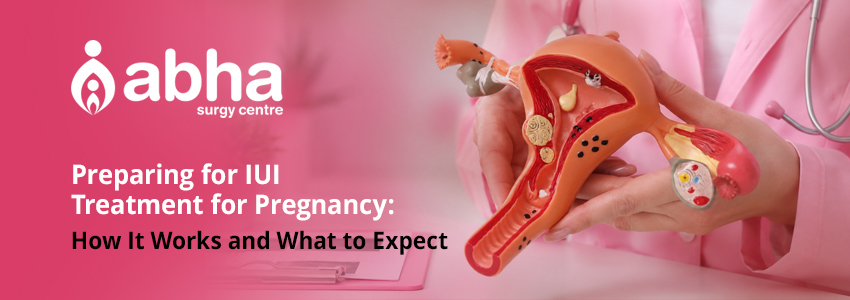
Starting a family is a dream shared by many couples, but the journey to parenthood doesn't always happen as expected. Fertility challenges are more common than many people realise, and fortunately, modern reproductive treatments offer several effective solutions. One such option is IUI treatment for pregnancy , a simple and minimally invasive procedure that helps improve the chances of conception. Recommended for various fertility concerns, IUI has helped many couples take a positive step towards achieving their dream of becoming parents.
If your doctor has suggested IUI, you may have several questions about the process, preparation, and what to expect. This guide explains everything in simple terms to help you feel informed and confident.
IUI treatment for pregnancy, also known as Intrauterine Insemination, is a fertility procedure where specially prepared sperm is placed directly inside the uterus around the time of ovulation. By placing healthy sperm closer to the egg, the chances of fertilisation can increase.
Unlike IVF, fertilisation in IUI happens naturally inside the woman's body. The procedure is quick, usually painless, and does not require surgery or anaesthesia.
Your fertility specialist may recommend IUI if you have:
However, IUI may not be suitable for everyone. Your doctor will evaluate your medical history, age, fertility reports, and overall reproductive health before recommending the most appropriate treatment.
Preparing for IUI treatment for pregnancy begins well before the actual procedure. Your fertility specialist may suggest a few important steps.
1. Fertility Evaluation
Both partners may undergo fertility tests before starting treatment. These may include blood tests to check hormone levels, ultrasound scans to monitor the ovaries and uterus, semen analysis, and tests to ensure the fallopian tubes are open.
These evaluations help your doctor create a personalised treatment plan.
2. Ovulation Monitoring
The timing of IUI is extremely important. Your doctor will monitor your ovulation through ultrasound scans or blood tests. In some cases, fertility medications may be prescribed to encourage the development of healthy eggs.
Once the egg is ready, your doctor will determine the ideal day for the procedure.
3. Healthy Lifestyle Choices
Small lifestyle changes can support your fertility journey. Before your IUI cycle, try to:
For men, maintaining a healthy lifestyle can also help improve sperm quality.
On the day of the procedure, a semen sample is collected. The sample is then "washed" in the laboratory to separate the healthiest and most active sperm.
The doctor uses a thin, flexible catheter to place the prepared sperm directly into the uterus. The procedure usually takes only a few minutes.
Most women experience little or no pain. Some may notice mild cramping similar to menstrual discomfort, but it generally settles quickly.
After the procedure, you can usually return to your normal daily activities unless your doctor advises otherwise.
The waiting period after IUI can feel emotionally challenging. It generally takes around two weeks before a pregnancy test can accurately confirm whether the treatment has been successful.
During this time:
Continue taking any prescribed medications.
Follow your doctor's instructions carefully.
Maintain a healthy routine.
Avoid unnecessary stress or excessive physical strain.
Remember that every fertility journey is different, and it is completely normal to feel anxious while waiting for the results.
The success of IUI treatment for pregnancy depends on several factors, including:
For some couples, pregnancy may happen after the first cycle, while others may require multiple attempts. Your fertility specialist will discuss realistic expectations based on your individual situation.
IUI is considered a safe procedure with very few risks.
If fertility medications are used, there may be a slightly increased chance of multiple pregnancy, such as twins. Your doctor will monitor your treatment carefully to minimise any risks.
There are certain scenarios when IUI may not be helpful. The situations include -
1. Tubal Blockage. 2. Male infertility. 3. Advanced age. 4. Severe endometriosis
Starting IUI treatment for pregnancy is an important step towards building your family, and having the right guidance can make the journey smoother. At Abha Surgy Healthcare Pvt. Ltd., our experienced fertility specialists offer personalised evaluations, advanced reproductive treatments, and compassionate support at every stage, helping you make informed decisions with confidence while maximising your chances of a successful pregnancy.