



Quick Links
Back

What Is ICSI Fertility Treatment? Process, Benefits & Key Insights

If you've been looking into fertility treatments, you've likely heard of ICSI. It may sound a bit complex at first, but it's quite straightforward once you understand it.

In this guide, we'll walk you through what ICSI is, how the process works, and why it's commonly recommended.

What Is ICSI Fertility Treatment?

ICSI stands for Intracytoplasmic Sperm Injection.

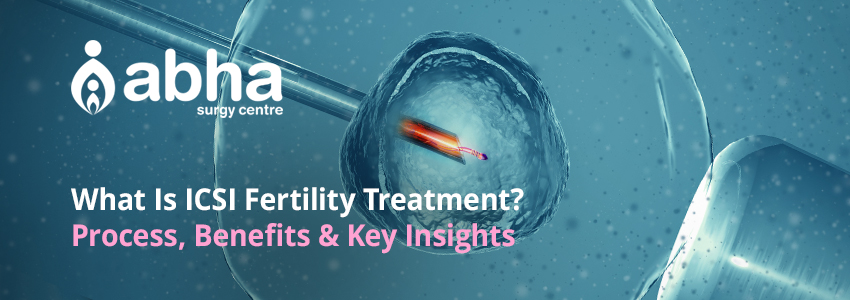
In simple terms, it's a specialized fertility treatment where a single sperm is directly injected into an egg to help fertilization.

It's usually done as part of IVF (In Vitro Fertilization), but with a more targeted approach.

When Is ICSI Recommended?

Doctors usually suggest ICSI in cases where natural fertilization may be difficult.

Some common reasons include:

  • Low sperm count affecting chances of natural fertilization
  • Poor sperm motility, making it difficult for sperm to reach the egg
  • Abnormal sperm shape impacting fertilization ability
  • Previous IVF failures with unsuccessful fertilization
  • Unexplained infertility despite normal test results
  • Use of frozen sperm in assisted reproduction

Step-by-Step ICSI Process

Let's simplify the entire ICSI fertility treatment process:

1. Ovarian Stimulation

  • The woman is given hormone injections
  • This helps produce multiple eggs instead of one
  • Regular scans track progress

2. Egg Retrieval

  • Eggs are collected through a minor procedure
  • Done under sedation
  • Takes around 15-30 minutes

3. Sperm Collection

  • A sperm sample is collected from the male partner
  • In some cases, sperm is retrieved surgically

4. The ICSI Procedure

  • A single healthy sperm is selected
  • It is directly injected into an egg using a fine needle
  • This increases the chances of fertilization

5. Fertilization & Embryo Development

  • The fertilized egg develops into an embryo in the lab
  • Doctors monitor its growth

6. Embryo Transfer

  • The best-quality embryo is placed into the uterus
  • This step is simple and usually painless

Benefits of ICSI Fertility Treatment

ICSI has become a widely used and effective option. Here's why:

  • Higher chances of fertilization
  • Helpful in male infertility cases
  • Works even with limited sperm availability
  • Improves success in previous failed IVF cycles
  • Controlled and precise process

Are There Any Risks?

ICSI is generally safe, but like any medical procedure, there are a few things to keep in mind:

  • Slight risk of fertilization not occurring
  • Possibility of embryo not developing properly
  • Standard IVF-related risks (like multiple pregnancies)

Your doctor will guide you based on your specific situation.

Key Insights to Know Before Choosing ICSI

Before going ahead with ICSI, there are certain things one needs to keep I mind:

  • Success rates depend on age and overall health
  • It is usually part of an IVF cycle
  • Not always needed. Recommended based on diagnosis
  • Choosing the right clinic plays a big role

Final Thoughts

ICSI fertility treatment is a powerful option for couples facing challenges with fertilization, especially in cases related to male infertility. Understanding the process helps reduce fear and gives you clarity on what to expect.

If you're considering this treatment, consulting a fertility expert is the best first step. And if you're looking for a reliable and supportive clinic, choosing a trusted clinic like Abha Surgy Healthcare Private Limited, can make your journey smoother. With advanced technology, experienced specialists, and a friendly, caring team, you'll feel supported at every stage of the process.

Do you like it?

Share this on social

Talk to us?